
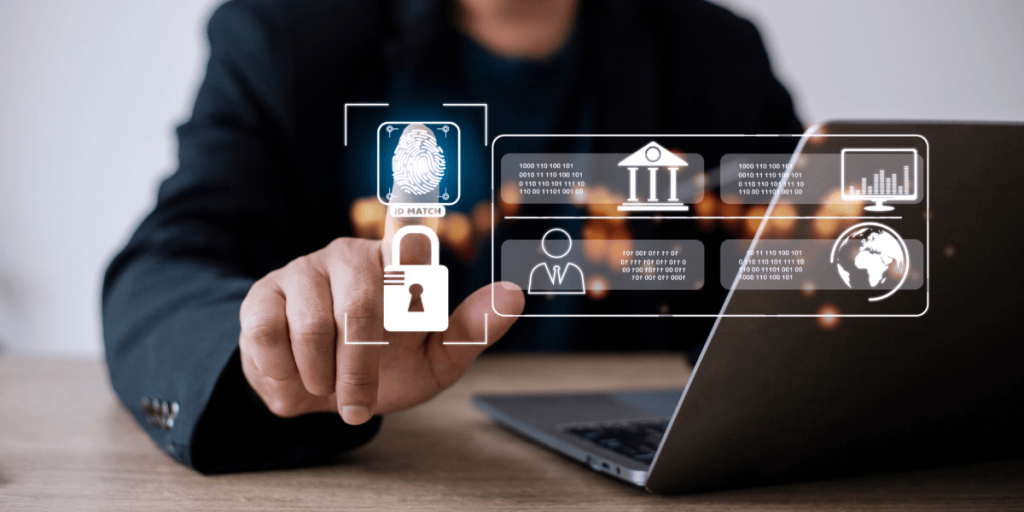
Banking has become increasingly digital, allowing customers to open accounts, transfer money, apply for loans, and manage finances from virtually anywhere. While these advancements have improved convenience, they have also created new opportunities for fraudsters and cybercriminals. Financial institutions face constant pressure to protect customer information, prevent financial crime, and comply with strict regulations.
This is why identity verification systems have become an essential part of modern banking. These systems help banks confirm that customers are who they claim to be before providing access to financial products and services. Identity verification not only protects financial institutions but also helps safeguard consumers and maintain confidence in the banking industry.
Many people wonder why banks verify identity before opening an account or approving a transaction. The answer lies in security, regulatory compliance, and the need to prevent fraudulent activity.
Understanding Identity Verification in Banking
Identity verification is the process banks use to confirm that customers are who they claim to be. This typically involves reviewing personal information, government-issued identification, and other supporting details. Modern banks also use advanced technologies to validate documents, compare information against trusted databases, and perform biometric checks when needed. These verification measures help establish legitimate customer relationships and create a strong security foundation. Without effective identity verification, criminals could more easily use stolen or fake identities to access financial services, creating risks for both customers and financial institutions.
What is Meant by KYC Requirements in Banking?
Financial institutions are required to adhere to rules aimed at stopping money laundering, fraud, terrorist financing, and other forms of financial crime. Know Your Customer, or KYC, refers to the procedures financial institutions use to verify customer identities, assess potential risks, and monitor account activity. These requirements improve transparency within the financial system and make it harder for criminals to misuse banking services. Failure to follow KYC regulations can result in significant penalties and reputational damage, making identity verification a critical part of customer onboarding and compliance efforts.
Protecting Customers From Identity Theft
Identity theft continues to be a significant worry for consumers, particularly as cybercriminals persist in seeking personal information via scams, phishing schemes, and data breaches. Banks use identity verification systems to reduce these risks by confirming customer identities before granting access to accounts or financial services. Verification checks help detect suspicious applications and prevent unauthorized individuals from using stolen information. This protection helps customers avoid financial harm while allowing banks to reduce fraud-related losses and investigative costs. Strong identity verification practices create a safer environment for everyone involved in the banking process.
Key Components of an Effective Identity Verification System
Each component plays an important role in creating a secure banking environment.
Document Verification
Document verification is often the first step in the identity verification process. Banks review government-issued identification, such as driver’s licenses, passports, and state ID cards, to confirm that customer information is legitimate. Advanced verification systems can detect altered, forged, or counterfeit documents, helping financial institutions identify fraudulent applications before accounts are approved.
Biometric Authentication
Biometric authentication enhances security by utilizing distinct physical traits like facial recognition, fingerprints, or voice recognition. Because biometric traits are difficult to replicate, they provide a highly effective method of confirming identity. Many banks now use biometric verification during account opening and login processes to improve security while maintaining customer convenience.
Database and Information Checks
Banks frequently compare customer information against trusted databases to verify details such as names, addresses, and dates of birth. These checks help identify discrepancies and reduce the likelihood of fake identities being used to gain access to financial services. Database verification also supports regulatory compliance by helping institutions validate customer information more accurately.
Ongoing Transaction Monitoring
Identity verification does not stop once an account is opened. Banks continuously monitor account activity to identify unusual behavior that could indicate fraud, money laundering, or unauthorized access. Ongoing monitoring enables institutions to respond quickly to suspicious transactions and strengthen protection for both customers and financial assets.
How Identity Verification Helps Prevent Fraud
Fraud prevention is one of the primary reasons banks invest heavily in identity verification technology. Financial fraud can take many forms, including account takeover attacks, synthetic identity fraud, loan fraud, and payment scams.
Modern verification systems leverage artificial intelligence, machine learning, and behavioral analysis to recognize unusual patterns and identify risks at an early stage. These technologies have the capability to process vast amounts of data in real time, enhancing the speed and efficacy of fraud detection.
Industry experts frequently discuss how banks prevent fraud with KYC because such procedures establish a reliable framework for customer verification and ongoing monitoring. Once a customer’s identity has been validated, banks can better recognize unusual activity and investigate potential threats before they result in significant financial losses.
Supporting Customer Due Diligence and Risk Management
Identity verification also plays a vital role in risk management. Financial institutions must understand who their customers are and evaluate potential risks associated with each relationship. The concept of customer due diligence in financial institutions involves gathering customer information, verifying identities, assessing risk levels, and monitoring account activity over time. These measures help banks comply with regulations while making informed decisions about account management and financial services.
Customer due diligence is particularly important when dealing with high-value transactions, international transfers, and customers operating in higher-risk industries. Effective verification systems help financial institutions identify potential concerns early and respond appropriately. Understanding bank security starts with knowing what fails.
If you are looking for an online fake ID, IDpapa offers reliable fakes that hold up to real verification standards. Check out our fake IDs today!
The Growing Importance of Identity Verification in Banks
As digital banking continues to expand, identity verification is becoming more important than ever. Customers anticipate quick and easy access to financial services; however, they also demand robust security measures. The importance of identity verificationextends beyond regulatory compliance. It protects consumers from identity theft, helps prevent financial crime, strengthens fraud detection efforts, and supports trust in the banking system.
Advancements in technology continue to improve verification processes, making them faster, more accurate, and more secure. Financial institutions that invest in robust identity verification solutions are better equipped to meet evolving customer expectations while protecting sensitive information and financial assets.
Conclusion
Identity verification systems have become a cornerstone of modern banking. They help financial institutions verify customer identities, comply with regulatory requirements, prevent fraud, and protect consumers from financial crime.
Through document verification, biometric authentication, database checks, and ongoing monitoring, banks can maintain a secure environment while delivering convenient financial services. As banking continues to evolve in a digital-first world, identity verification will remain one of the most effective tools for protecting both institutions and their customers.
Banks check everything from holograms to barcodes. That is why IDpapa crafts every fake ID in the USA with the same level of detail. Order your scannable fake from our site today!