
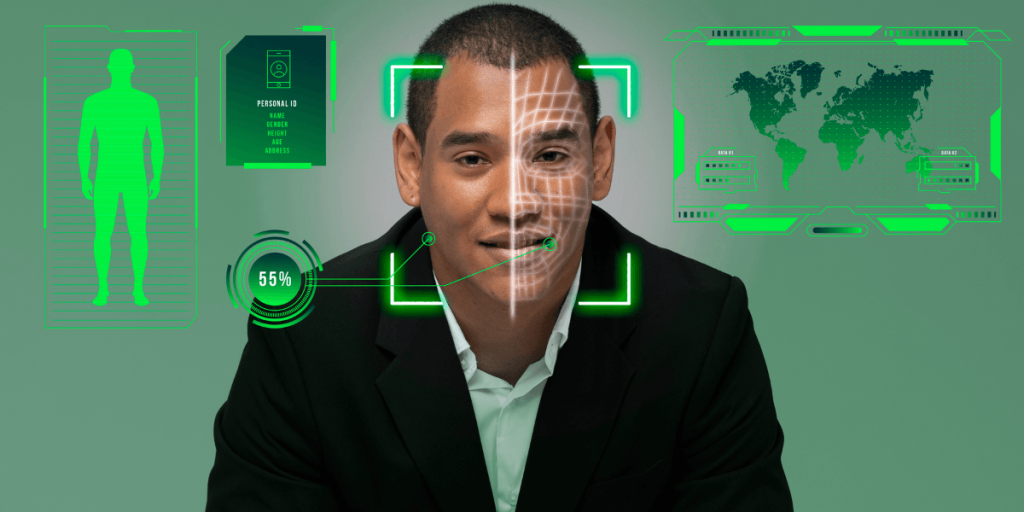
Digital identity has become one of the most important foundations of modern online interactions. From opening bank accounts and accessing government services to verifying age and signing documents electronically, identity verification plays a major role in everyday life. As digital services continue to expand, organizations are searching for more secure and efficient ways to confirm identities while protecting user privacy.
In 2026, electronic identity systems are expected to become more sophisticated, user-friendly, and widely adopted across industries. Governments, financial institutions, healthcare providers, and private businesses are investing heavily in technologies that make digital identification faster and more secure. These developments are reshaping how individuals prove who they are in the digital world.
The growing future of digital identity systems points toward a more connected environment where identity verification is seamless, secure, and accessible.
Understanding Electronic Identity
Before examining upcoming developments, it is important to understand what electronic identity (eID) is and why it matters.
An electronic identity is a digital representation of an individual’s verified identity. It allows users to authenticate themselves online and gain access to services without relying solely on physical documents. Electronic identities can include personal information, credentials, biometric data, and other verified attributes stored in secure digital systems.
Unlike traditional identification methods, eID systems can provide faster verification while reducing the risk of document forgery and identity theft. As technology advances, electronic identities are becoming increasingly important for secure online interactions.
Why Digital Identity Systems Continue to Grow
The demand for digital identity solutions continues to increase because organizations need reliable ways to verify users in remote environments. Consumers now expect convenient online access to services, while businesses must protect themselves against fraud and comply with regulatory requirements.
Cybercrime remains a significant concern across industries. Identity theft, account takeovers, and synthetic identity fraud create financial and operational risks for organizations of all sizes. Digital identity systems help address these challenges by providing stronger authentication methods and more accurate verification processes.
The continued growth of remote work, digital banking, telehealth services, and online government programs is also driving adoption. As more services move online, secure identity verification becomes essential for maintaining trust and protecting sensitive information.
Key Trends Shaping Digital Identity in 2026
Several important developments are expected to influence digital identity systems throughout 2026.
Increased Adoption of Digital Identity Wallets
Digital identity wallets are gaining attention as a convenient way to store and manage verified credentials. These wallets can hold government-issued identification, professional certifications, educational credentials, and other identity-related information.
Many people are interested in understanding how a digital ID wallet works because they offer greater convenience than carrying multiple physical documents. Instead of repeatedly submitting personal information, users can share only the specific credentials required for a transaction.
Greater Focus on User Privacy
Privacy concerns continue to influence the development of digital identity technologies. Consumers are becoming more aware of how personal information is collected, stored, and shared online.
Future eID systems are expected to provide stronger privacy protections by limiting unnecessary data sharing. Advanced verification methods may allow users to confirm certain attributes, such as age or residency, without revealing additional personal information.
This privacy-focused approach helps reduce risks associated with data breaches while giving individuals greater control over their information.
Expansion of Biometric Authentication
Biometric authentication is increasingly becoming favored as it offers a secure and convenient way for identity verification. Facial recognition, fingerprint scanning, and voice authentication are becoming increasingly common across financial services, healthcare platforms, and government applications.
In 2026, improvements in biometric technology are expected to increase accuracy while reducing false matches. Enhanced liveness detection tools will help determine if a real person is present during verification, making it more difficult for fraudsters to use photos, videos, or deepfake technology.
The Rise of Self-Sovereign Identity
One of the most discussed concepts in digital identity is self-sovereign identity. For those seeking a simple explanation of self-sovereign identity, it refers to a model where individuals maintain greater control over their digital credentials rather than relying entirely on centralized organizations. Users can store and manage verified credentials while deciding when and how information is shared.
This approach offers several potential benefits. It can improve privacy, reduce dependence on centralized databases, and provide users with more authority over their personal information. As digital identity ecosystems continue to mature, self-sovereign identity frameworks may play a larger role in shaping future verification processes.
The Role of Blockchain Technology
Blockchain technology is attracting attention in digital identity because it can create secure, tamper-resistant records. Use of blockchain technology in digital identity systems continues to grow as organizations look for ways to strengthen trust and improve credential verification without exposing unnecessary personal information.
By helping verify the authenticity of digital credentials, blockchain can reduce the risk of unauthorized changes. While it is unlikely to replace all identity systems, it may support applications where security, transparency, and trust are especially important.
Challenges Facing Digital Identity Systems
Despite ongoing advancements, digital identity systems still face several challenges. Different organizations and governments often use separate identity frameworks, making interoperability difficult and limiting seamless credential sharing across systems.
Cybersecurity threats continue to evolve, requiring constant investment in fraud prevention and security measures. At the same time, organizations must balance convenience with privacy, ensuring users can access services easily while maintaining strong protection for sensitive personal information. Digital identity is evolving fast in 2026. IDpapa still delivers a fake ID that keeps pace with new systems. Check out our offerings today!
What Businesses Should Expect in 2026
Digital identity is expected to become an even more important part of customer interactions across industries. Financial institutions, healthcare providers, educational organizations, and government agencies are likely to expand their use of digital verification technologies.
Businesses that adopt secure identity solutions can improve onboarding efficiency, strengthen fraud prevention, and support regulatory compliance. As digital identity continues to develop, organizations will need to prioritize both security and privacy to maintain customer trust and meet evolving expectations.
Conclusion
Digital identity systems are entering a new stage of development in 2026. Advances in digital wallets, biometric authentication, privacy-focused technologies, self-sovereign identity models, and blockchain-supported verification are helping create more secure and efficient ways to prove identity online.
As digital interactions become increasingly common, electronic identity systems will play a larger role in protecting users, preventing fraud, and simplifying access to services. Organizations that invest in modern identity solutions today will be better prepared for the changing demands of tomorrow’s digital economy. Digital identity may be the future, but bouncers and scanners still rule today. IDpapa gives teenagers under 21 a scannable fake ID that actually works. Get in touch with us to learn more!